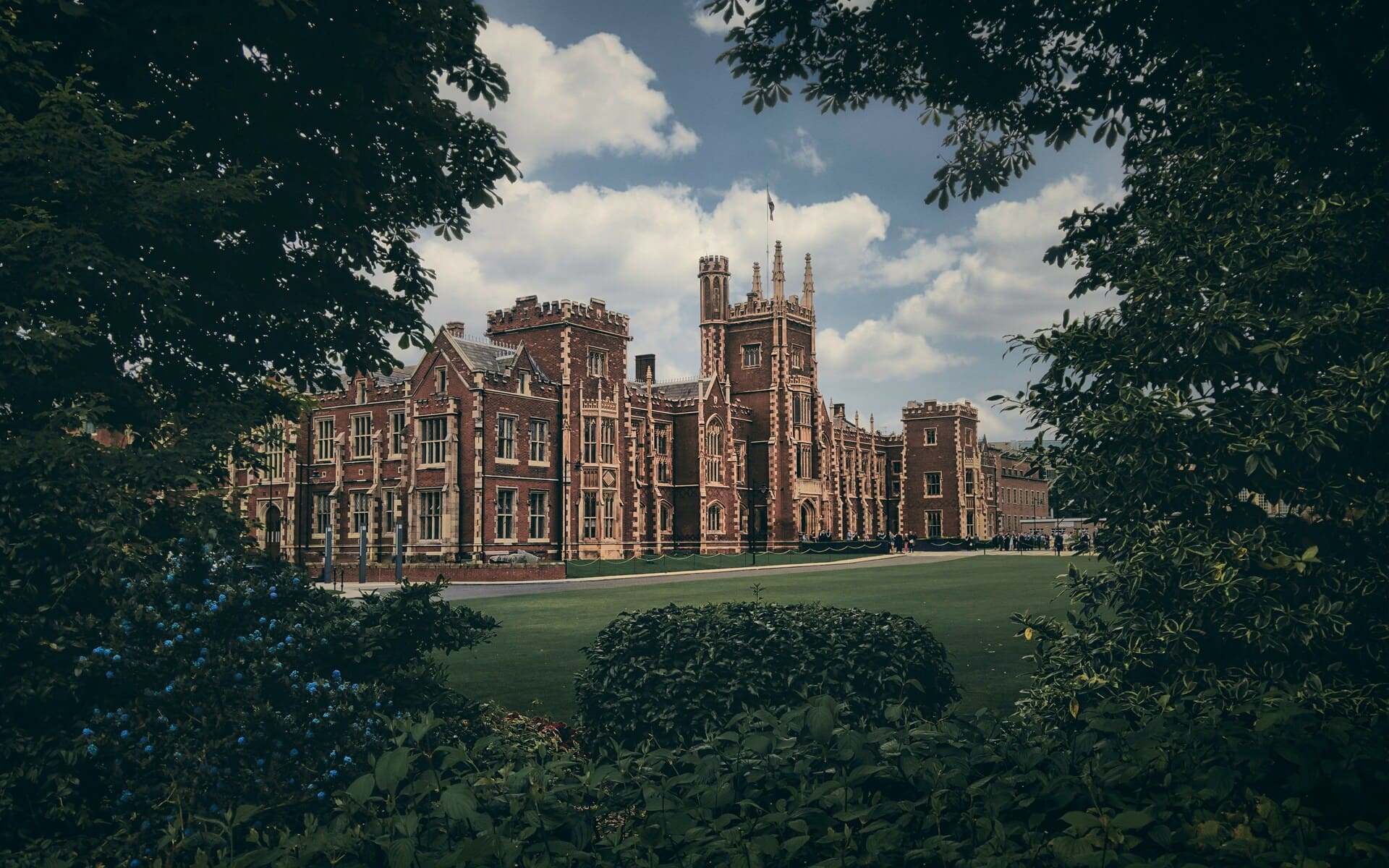
Top 10 Reasons to Study In New Zealand
New Zealand has become an attractive study destination for international students looking for quality education, practical learning, and a balanced lifestyle. Its universities and educational institutions offer programs across business, engineering, information technology, health sciences, agriculture, environmental studies, hospitality, and many other fields.
For Pakistani students comparing international study destinations, New Zealand can offer a combination of recognized qualifications, modern education, natural beauty, and a welcoming multicultural environment.
Here are ten reasons students may consider studying in New Zealand.
1. Internationally Recognized Education
New Zealand has a respected education system with qualifications recognized in many parts of the world. Its universities, institutes of technology, and other educational institutions follow established academic standards.
Students can choose from undergraduate, postgraduate, diploma, and research-based programs. A qualification from New Zealand can help graduates pursue employment, further education, or professional opportunities in different countries.
However, recognition can depend on the course, institution, profession, and destination where the student intends to work. Students should verify professional accreditation before enrolling in regulated fields such as medicine, engineering, law, or healthcare.
2. Practical and Career-Focused Learning
Many New Zealand programs emphasize practical learning rather than relying only on textbook-based education. Depending on the program, students may participate in projects, presentations, laboratory work, case studies, industry assignments, or internships.
This approach helps students understand how academic concepts are applied in professional environments.
Practical learning can also help students develop skills employers value, including:
Problem-solving
Teamwork
Communication
Research
Time management
Critical thinking
Technical competence
Students should review the course structure carefully to determine whether internships or work placements are included.
3. Wide Range of Study Programs
New Zealand institutions offer programs in many academic and professional areas. Students can find options in fields such as:
Business and management
Accounting and finance
Computer science
Data science
Engineering
Agriculture
Environmental science
Tourism and hospitality
Health sciences
Education
Media and design
Social sciences
New Zealand is particularly relevant for students interested in agriculture, food sciences, environmental management, renewable resources, and sustainability.
The best program should be selected based on career goals, academic background, budget, and admission eligibility rather than destination popularity alone.
4. Support for International Students
Moving to another country can be difficult, especially during the first few months. International students may need help with accommodation, academic expectations, health services, orientation, and adapting to a new culture.
Many institutions in New Zealand provide international student support through services such as:
Orientation programs
Academic guidance
Student counseling
Career services
Accommodation assistance
English language support
Student clubs and societies
The availability and quality of these services vary by institution, so students should investigate them before accepting an offer.
5. Safe and Peaceful Study Environment
New Zealand is widely associated with a calm and organized lifestyle. Many students are attracted to its smaller cities, open spaces, and comparatively less crowded environment.
A stable study environment can help students focus on their education and personal development. However, students should still follow normal safety precautions, understand local laws, and research the specific city and neighborhood where they plan to live.
Safety should be evaluated at the city and accommodation level rather than assumed solely from a country’s general reputation.
6. Multicultural Society
New Zealand welcomes students and residents from many cultural backgrounds. International students can meet people from Asia, Europe, the Middle East, Africa, the Pacific region, and other parts of the world.
Studying in a multicultural environment can improve communication skills and help students become more comfortable working with people from different backgrounds.
Pakistani students may also find Muslim communities, halal food options, cultural organizations, and places of worship in major cities. Availability may be more limited in smaller towns, so location should be considered carefully.
7. Research and Innovation Opportunities
New Zealand supports research in areas connected to agriculture, environmental science, healthcare, technology, marine studies, renewable energy, and sustainability.
Postgraduate and research students may be able to work with academic supervisors on specialized projects. Research facilities, funding opportunities, and supervision quality depend on the university and department.
Before applying for a research degree, students should examine:
Faculty research interests
Available supervisors
Laboratory facilities
Research funding
Publication record
Industry partnerships
Choosing the right supervisor and department is often more important than choosing a university based only on its general ranking.
8. Attractive Natural Environment and Lifestyle
New Zealand is known for mountains, coastlines, forests, lakes, and outdoor activities. Students may have opportunities to explore natural attractions during academic breaks.
A balanced lifestyle can help students manage the pressure of studying abroad. Outdoor activities, university clubs, sports, and social events can make the international student experience more enjoyable.
However, students should not choose a destination solely because of tourism images. Academic suitability, affordability, and career relevance must remain the main considerations.
9. Opportunities to Develop Independence
Studying in New Zealand requires students to manage their studies, finances, accommodation, transportation, and daily responsibilities independently.
This experience can help students become more confident and responsible. They learn how to solve problems, communicate in unfamiliar situations, and make decisions without depending entirely on family members.
The transition can be challenging, especially for students living abroad for the first time. Proper financial planning and realistic expectations can make the experience easier.
10. Potential Career and Professional Development
Students in New Zealand can gain international academic exposure and develop skills that may support their future careers. Universities and institutions may provide career guidance, networking events, job preparation, and connections with employers.
Some programs may include industry projects or placements that provide practical experience.
Students should not assume that studying in New Zealand automatically guarantees employment or permanent residence. Career outcomes depend on factors such as:
Field of study
Qualification level
Academic performance
Work experience
Communication skills
Employer demand
Immigration regulations
Professional accreditation
Students should verify current work and immigration rules through official New Zealand government sources before making financial commitments.
Popular Cities for International Students
Several New Zealand cities attract international students.
Auckland
Auckland is the country’s largest city and offers universities, employment opportunities, international communities, and a wide range of services. Its cost of living may be higher than that of smaller cities.
Wellington
Wellington is the capital and is known for government, technology, media, creative industries, and education. It offers an active urban environment in a relatively compact area.
Christchurch
Christchurch offers education in engineering, technology, construction, agriculture, and other fields. It may appeal to students looking for a smaller city than Auckland.
Hamilton
Hamilton is relevant for students interested in agriculture, business, science, and technology. It is close to major agricultural and research activities.
Dunedin
Dunedin is known as a student city with a strong academic environment. It may suit students who prefer a smaller city centered around university life.
What Pakistani Students Should Consider
Before applying to study in New Zealand, Pakistani students should calculate the complete cost of education rather than looking only at tuition fees.
The budget should include:
Tuition
Accommodation
Food
Transportation
Health insurance
Visa expenses
Study materials
Air travel
Emergency funds
Students should also check English language requirements, academic eligibility, course recognition, visa conditions, and whether the selected program supports their long-term career plans.
Part-time work should not be treated as the main method of funding education. Availability of work is not guaranteed, and income may not cover tuition and living expenses.
Is New Zealand the Right Choice for You?
New Zealand can be a suitable destination for students who value practical education, a multicultural environment, natural surroundings, and a relatively peaceful lifestyle.
However, it may not be the best choice for every student. The decision should be based on:
Course quality
University reputation
Total cost
Scholarship availability
Career relevance
City and lifestyle
Visa eligibility
Long-term plans
Students should compare New Zealand with other destinations such as Australia, the United Kingdom, Canada, Germany, Malaysia, Turkey, and the United States before making a final choice.
You can find more details such as visa cost and accommodation on Study in New Zealand | FES Higher Education Consultants.
Final Thoughts
New Zealand offers internationally recognized education, career-focused programs, research opportunities, student support, and a distinctive lifestyle. These factors make it a destination worth considering for Pakistani and other international students.
The value of studying in New Zealand ultimately depends on choosing the right institution, course, city, and financial plan.
Students should conduct proper research, verify current requirements, and seek professional guidance before submitting applications or paying university fees.
Share this article